

Sugar Beet Products: Business Overview for Animal Feed Industry
Sugar Beet Products: What Are They?
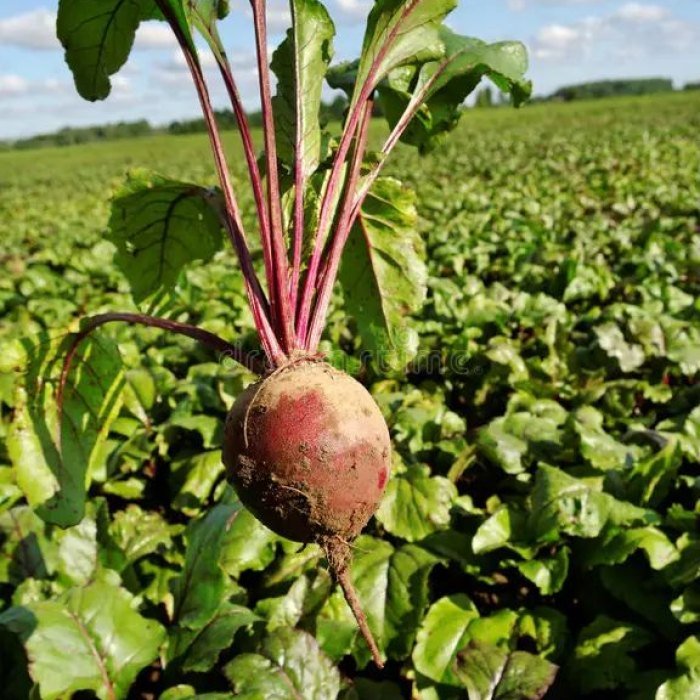
Sugar beet is one of the world’s major industrial crops and an important raw material for sugar production. During processing, several valuable co-products are generated for the feed industry, particularly beet pulp, molasses, and related feed ingredients.
Beet Pulp
* Produced after extracting sugar from sugar beets.
* Available in dried, pelleted, or shredded forms.
* Highly valued as an energy and fiber source in animal nutrition.
Beet Molasses
* Thick syrup remaining after sugar extraction.
* Contains natural sugars and minerals.
* Commonly used to improve feed palatability.
Key Nutritional Advantages
Digestible fiber source
Beet products provide highly digestible fiber that supports efficient nutrient utilization.
Energy contribution
Natural sugars and fermentable carbohydrates deliver valuable dietary energy.
Natural minerals
Can provide:
* Calcium
* Potassium
* Magnesium
* Sodium
Feed palatability
Molasses often enhances taste and feed intake.
Benefits for Animal Health
Dairy cattle
* Supports rumen microbial activity
* Helps maintain stable digestive function
* Provides energy required for milk production
Beef cattle
* Supports feed utilization efficiency
* Contributes to weight gain performance
Horses
* Highly digestible fiber source
* Helps maintain digestive health
Sheep and goats
* Supports digestive balance and energy intake
Interesting Facts
• Sugar beet can contain approximately 16–20% natural sugar, depending on growing conditions and variety.
• Beet pulp is often considered a “super fiber” ingredient because of its digestibility.
• Nearly all parts of the sugar beet crop can be utilized, reducing waste and improving sustainability.
• Sugar beet co-products have become increasingly important in circular agricultural production systems.
General Importing and International Trade Overview
Global trade of sugar beet products depends on regional sugar production and feed demand.


