
Sunflower Cake & Sunflower Meal: Business Overview
Sunflower Cake and Sunflower Meal: What Are They?
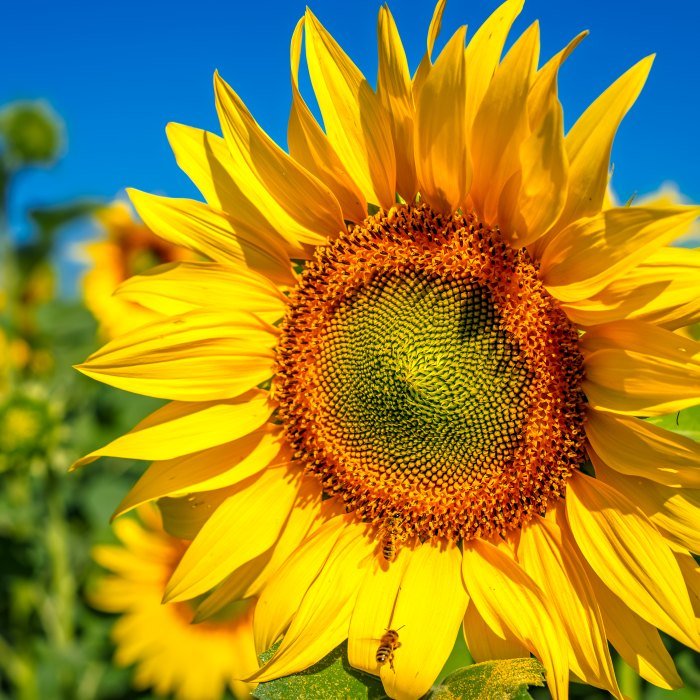
Sunflower cake and sunflower meal are high-value by-products generated during sunflower oil processing and are widely used in the global feed industry.
Sunflower Cake
* Produced after mechanical pressing of sunflower seeds.
* Contains residual vegetable oil, which provides additional energy value.
* Higher fat content compared with sunflower meal.
* Frequently used in cattle, poultry, pig, and aquaculture nutrition.
Sunflower Meal
* Produced after oil extraction and further processing.
* Lower oil content and higher protein concentration.
* Commonly used in industrial feed formulations and compound feed production.
Key Nutritional Advantages
Protein source
Sunflower meal typically contains approximately 28–45% protein, depending on dehulling and processing methods.
Energy contribution
Sunflower cake contains additional oil residues, increasing caloric value and improving feed efficiency.
Fiber source
Provides dietary fiber that supports digestive performance, particularly in ruminants.
Natural nutrients
Contains:
* Essential amino acids
* Vitamin E
* Phosphorus
* Magnesium
* Natural antioxidants
Benefits for Animal Health
Poultry
* Supports growth performance
* Improves digestive function
* May contribute to stronger immune response
Cattle and dairy animals
* Supports rumen activity
* Helps maintain milk production performance
* Provides sustainable protein nutrition
Swine
* Assists muscle development and feed utilization
Aquaculture
* Can partially replace more expensive protein ingredients in feed formulations
Interesting Facts
• Sunflower meal is considered one of the largest plant-based protein ingredients after soybean meal in many markets.
• Residual oil present in sunflower cake can naturally improve feed palatability.
• Sunflower by-products are increasingly used because they support cost optimization and diversification of feed raw materials.
• Global demand for alternative protein ingredients has increased as producers seek to reduce dependence on a single protein source.
The international trade of sunflower cake and meal is strongly connected to sunflower seed production regions.


